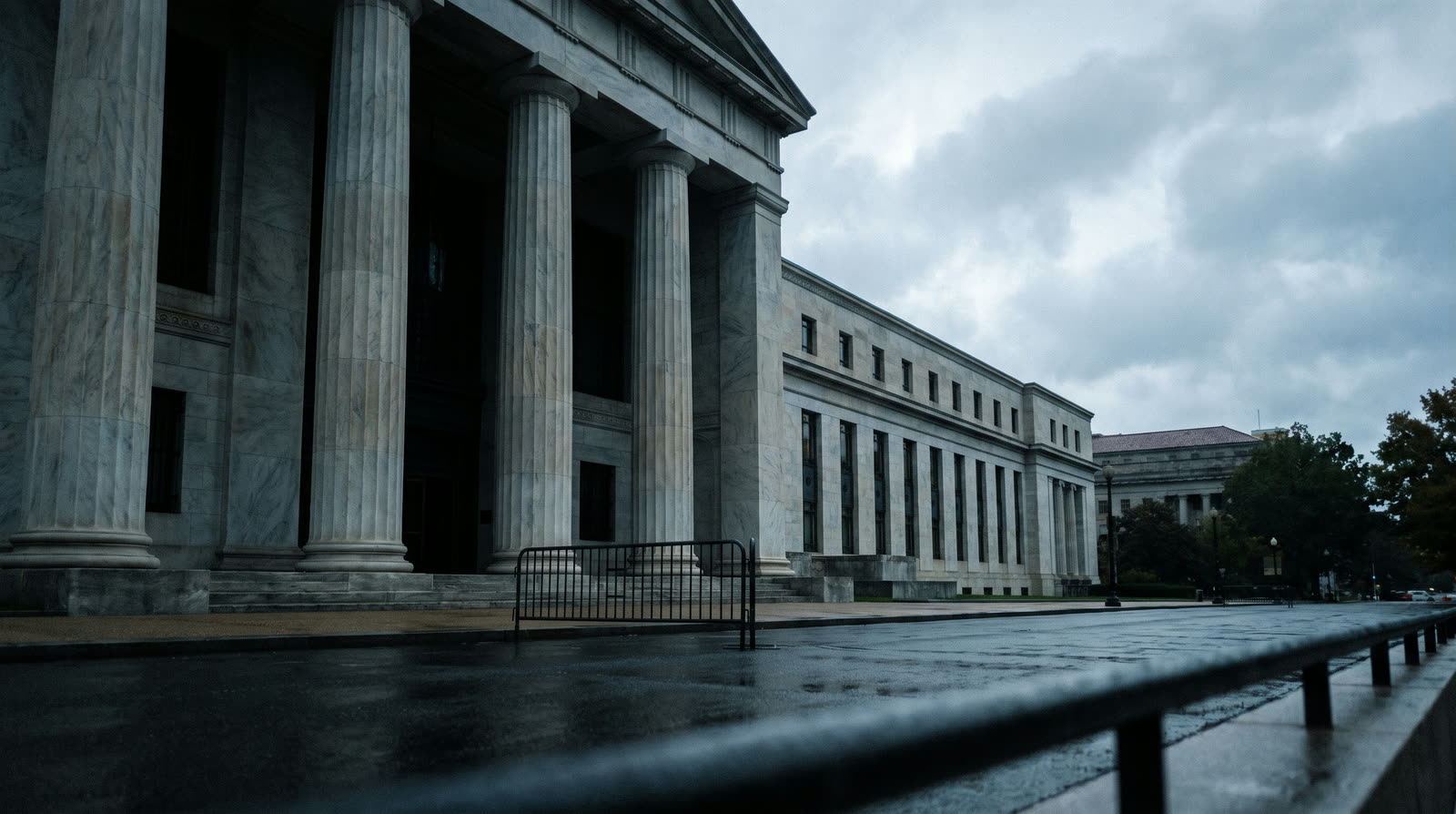
The Federal Reserve, the central bank that sets the cost of borrowing money in the United States, has a new person in charge. His name is Kevin Warsh, and he now leads the group that decides where interest rates go. In his first big meeting in June 2026, the message was clear: rates are staying high, and they might even go higher.
If you have a mortgage, a car loan, a savings account, or you trade the markets, this matters to you. This article explains what "higher for longer" really means, why it is back in mid-2026, and what you can do about it. We will keep the words plain and the ideas simple.
What the Fed actually did in June 2026
The Fed's main job is to keep prices stable and jobs plentiful. Its main tool is the federal funds rate, the interest rate banks charge each other to lend money overnight. When the Fed raises that rate, almost every other rate in the economy tends to rise too, from credit cards to home loans.
At the June 2026 meeting, the Fed held its rate steady in a range of 3.5% to 3.75%. Holding means no change. That was not a surprise on its own. The surprise was what came with it.
Every few months, Fed officials publish a chart called the dot plot. Each dot shows where one official thinks rates should be in the future. Earlier in the cycle, those dots pointed to a rate cut in 2026, meaning cheaper borrowing was on the way. In June, the Fed dropped that expected cut. Some officials even moved their dots up, hinting at a possible rate hike instead.
In plain terms: the market had been hoping for relief, and the Fed took that hope off the table. As of mid-2026, traders now price in a real chance of a small 25 basis point hike, about a quarter of one percent, by around October. That is a hawkish stance. "Hawkish" simply means the Fed is leaning toward higher rates to fight inflation, rather than lower rates to help growth.
Why "higher for longer" is back
To understand the Fed's caution, you need to understand its number one enemy right now: sticky inflation.
Inflation is the rate at which prices rise over time. The Fed wants it near 2%. As of mid-2026, headline inflation, which counts everything including food and fuel, sits near 3.6%. Core inflation, which strips out volatile food and energy to show the underlying trend, is around 3.3%. Both are well above target, and they are not falling much. That is what "sticky" means. Prices are stuck rising faster than the Fed would like. We break this down further in our guide to why US inflation is stuck near 3%.
A few things are keeping prices high:
- An oil spike. A conflict involving Iran has pushed oil prices up. When fuel costs more, it feeds into the price of nearly everything that has to be shipped or made.
- Fading tariffs. Last year's import taxes are slowly working their way out of prices, but that process is gradual.
- A steady economy. Growth is running around 2% a year, and while unemployment is drifting up to roughly 4.3% to 4.5%, the job market has not fallen apart. A healthy economy can keep demand, and prices, firm.
If the Fed cut rates too soon while inflation was still sticky, it could pour fuel on the fire and let prices rise even faster. Warsh and his colleagues have decided the safer path is to keep rates high and wait. That is the whole idea behind "higher for longer": keep borrowing expensive until inflation clearly cools.
What higher for longer means for borrowers
If you owe money, high rates are the headwind you feel most. When the Fed keeps its rate up, the cost of new borrowing stays up too.
- Mortgages. Home loan rates stay elevated, which keeps monthly payments high and can price some buyers out. If you have a fixed-rate mortgage you locked in years ago, you are protected. If you need a new loan, it will cost more.
- Credit cards. Card rates float with the Fed. With balances charging high annual rates, carrying a balance is painful. Paying down card debt is one of the best guaranteed returns you can get in a higher-for-longer world.
- Car loans. Auto loan rates stay high, and with car prices already steep, monthly payments stretch budgets.
The simple takeaway for borrowers: this is a season to reduce expensive debt, not add to it. Every dollar of high-rate debt you clear is a dollar that stops working against you.
What higher for longer means for savers
Here is the good news, and it is real. If borrowers lose in a high-rate world, savers win.
When the Fed holds rates high, the interest you earn on cash goes up too. As of mid-2026, high-yield savings accounts and money market funds still pay far more than the near-zero rates of a few years ago. Short-term government bonds, called Treasury bills, also pay attractive yields. For once, cash is not trash. Money sitting safely in the bank can actually earn a decent return.
The lesson for savers is to make sure your money is in the right place. Cash in an old checking account earning nothing is a missed opportunity. Moving it to a high-yield savings account or a money market fund lets the Fed's high rates work for you instead of against you. If you want the fuller picture of how a paused Fed affects everyday accounts, our explainer on what the Fed on hold means for your money walks through it step by step.
What higher for longer means for traders and investors
Markets hate uncertainty, and a Fed that might hike creates plenty of it. Here is how higher for longer ripples through the assets people trade.
Stocks
Higher rates make borrowing more expensive for companies, and they make safe investments like Treasury bills more appealing compared with risky stocks. That can weigh on share prices, especially for fast-growing companies whose value depends on profits far in the future.
Even so, the S&P 500, the index of 500 large US companies, sits near 7,500 as of mid-2026, up about 9% on the year. Company earnings are expected to grow strongly. But analysts warn that speculation is running at extreme levels, and in mid-July 2026 chip stocks sold off on fears that spending on artificial intelligence could slow. A hawkish Fed adds another reason for prices to swing around.
Bonds
Bonds are loans you make to a government or company that pay you interest. When rates are expected to stay high or rise, the yields on new bonds go up, and the prices of existing bonds tend to fall. Higher for longer generally means higher yields, which is good for new bond buyers and tougher for anyone holding older, lower-paying bonds.
The dollar
High US rates tend to make the dollar stronger, because global investors move money into US accounts to earn that higher interest. A strong dollar makes imported goods cheaper for Americans but makes US exports pricier abroad.
Why the calendar matters more than ever
When the Fed is on a knife's edge between holding and hiking, single data releases can move the whole market. An inflation report or a jobs number that comes in hot can push rate-hike odds up and send stocks lower within seconds. A soft number can do the opposite.
This is why active traders watch the economic calendar so closely in 2026. Knowing exactly when the inflation data, the jobs report, and the Fed decisions land helps you avoid being caught on the wrong side of a sudden move. Tools like the TS Economic News Pro indicator can help you mark these high-impact events right on your chart, so a surprise headline does not blindside a position you are holding.
The big question: will they actually hike?
Nobody knows for sure, and the Fed itself does not know yet. It depends on the data. If inflation keeps drifting near 3% or ticks higher because of oil, a hike by autumn becomes more likely. If prices finally cool and the job market weakens faster, the Fed could stay on hold or even return to talking about cuts.
What has changed under Kevin Warsh is the Fed's posture. The default setting is now caution against inflation, not eagerness to help growth. That mindset shift is the real story of mid-2026. For a deeper look at how a rate rise would hit your loans, savings, and portfolio, and how to prepare, see our companion piece on whether the Fed could hike again in 2026.
Simple steps you can take now
You cannot control the Fed, but you can control how ready you are. Here is a calm checklist for a higher-for-longer world.
- Attack expensive debt first. Paying off a high-rate credit card is a guaranteed return no investment can promise.
- Make your cash earn. Move idle savings into a high-yield account, money market fund, or short-term Treasuries so high rates work for you.
- Do not panic with investments. Volatility is normal when the Fed is uncertain. A long-term plan you stick with usually beats reacting to every headline.
- Size your trades smaller around big data days. If you trade actively, respect the calendar and reduce risk before major inflation and jobs releases.
- Keep an emergency cushion. With unemployment drifting up and recession odds around 20% to 30%, a few months of expenses in cash gives you room to breathe.
Higher for longer is not a disaster. It is simply a different weather system for your money. Borrowers should batten down and pay off debt. Savers finally get paid to hold cash. Traders need to respect the calendar and manage risk. The Fed under Kevin Warsh has told us plainly what season we are in. The smart move is to dress for it.
This article is general information, not financial advice. Do your own research or speak to a licensed professional before making money decisions.
General information, not advice. This article is published to everyone who reads it and takes no account of your circumstances, so it is not a personal recommendation. Trader Suite is not authorised or regulated by the FCA. Trading and investing involve a substantial risk of loss, and you should seek independent advice before acting. Our articles are researched and drafted with AI assistance and reviewed before publishing. Full risk disclosure.
TraderSuite Team
TraderSuite builds indicators and automated strategies for NinjaTrader 8. Our articles are written by the team, researched and drafted with AI assistance, and reviewed before publishing.