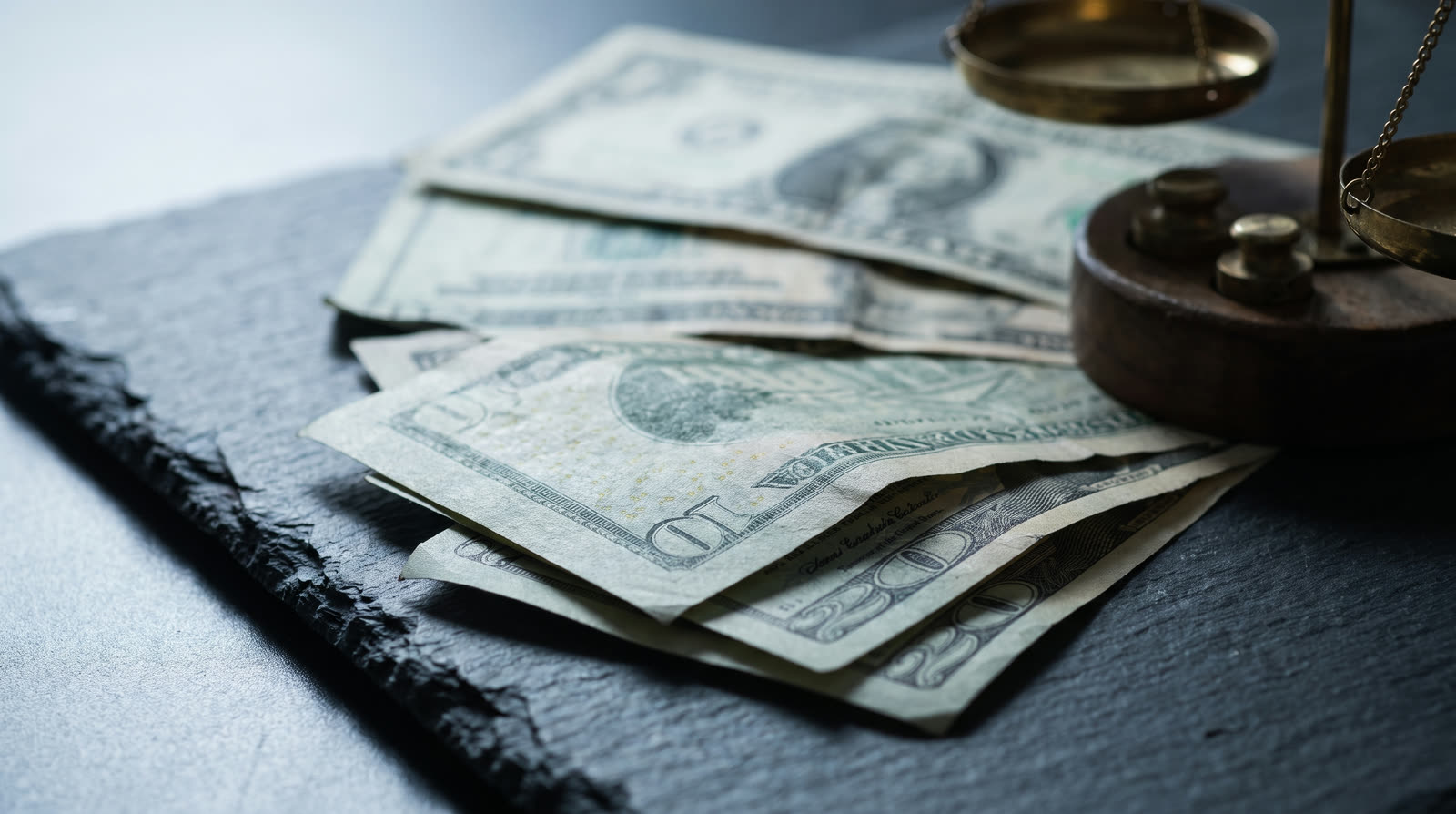
There is a conversation happening in markets in 2026 that would have sounded fringe a decade ago and now turns up in mainstream commentary: whether the US dollar is quietly losing its value in a way that matters.
It surfaced again in early September, when bitcoin's rally was attributed partly to bond market turmoil and concerns about the value of the US dollar. That is a notable sentence. It puts currency doubt alongside interest rates as a driver of asset prices.
This article looks at what that concern actually is, whether it is reasonable, and what it means practically.
What "debasement" means
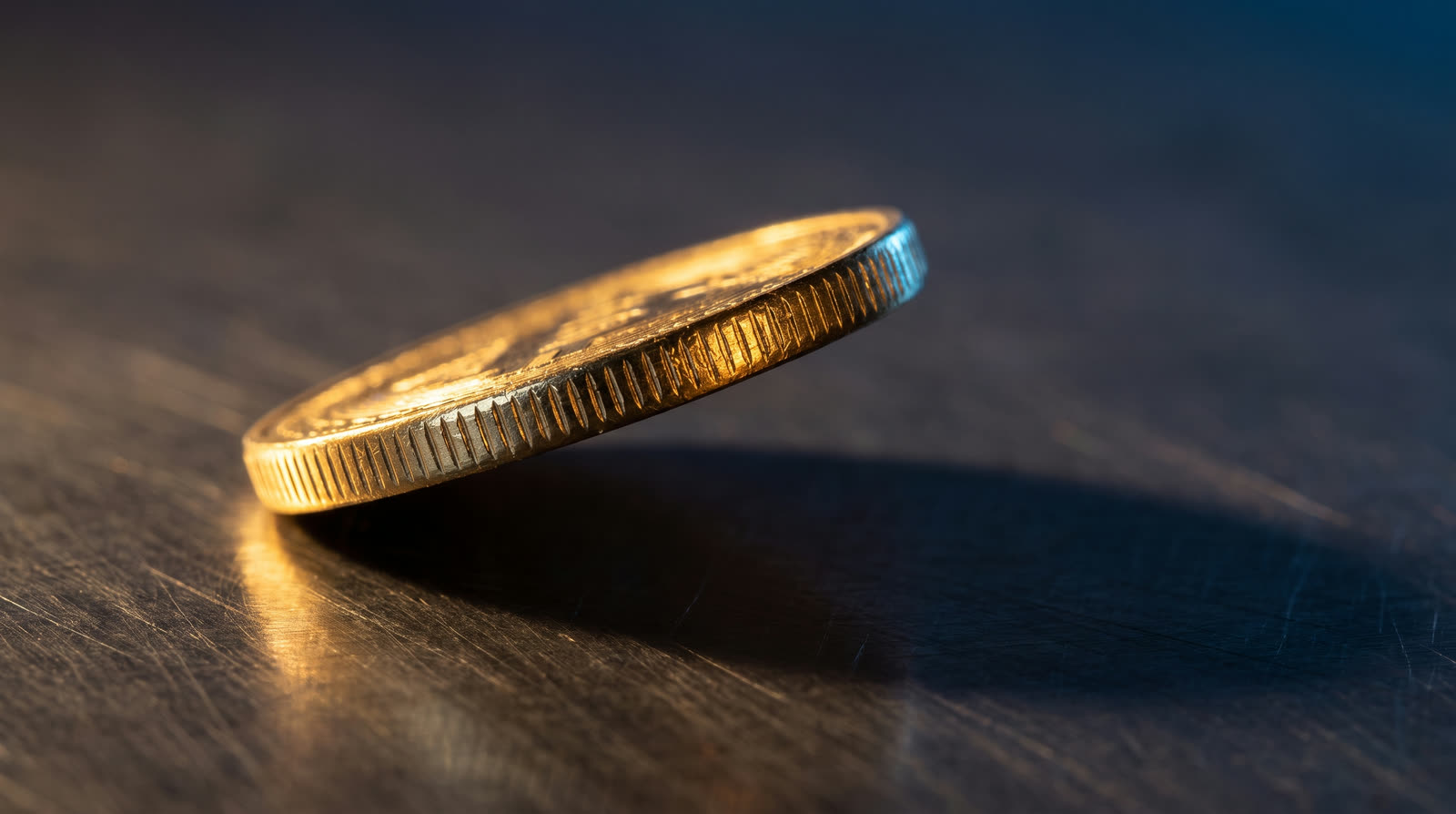
The word sounds dramatic. Historically it was literal: rulers short of money would reduce the precious metal content of coins while insisting they were worth the same. More coins, same amount of silver, and prices rose.
The modern version is less obvious but works the same way. If the supply of money grows faster than the supply of goods and services, each unit of money buys less. That is inflation, viewed from the money side rather than the price side.
Nobody has to do anything sinister for this to happen. It is a consequence of policy decisions taken for entirely defensible reasons.
Why the argument has more traction now
The reason this conversation has moved from the fringe toward the mainstream is simple arithmetic.
Inflation in the United States has been above the Federal Reserve's 2% target for more than five years. July 2026 came in at 3.4%. Even at rates that sound modest, the compounding is significant. Money that sat in a low-interest account across that period has lost a meaningful chunk of its purchasing power - not through any dramatic event, but steadily and quietly.
For anyone who noticed that, the question naturally follows: if the target has been missed for five years, what exactly does the target guarantee?
This is the same credibility problem that Fed chair Kevin Warsh addressed at Jackson Hole when he committed firmly to fighting inflation. He was not only talking about prices. He was talking about belief.
Why the bond market feeds this
Government bonds are the most direct expression of trust in a currency. You hand over money for ten years and accept a fixed payment in return. Doing that requires confidence that the money you get back will still be worth something.
With the ten-year Treasury yield near three-year highs around 4.78%, lenders are demanding substantial compensation. Part of that is expected inflation. Part of it is uncertainty about inflation, which is a different and more corrosive thing.
When the bond market gets volatile - as it did in early September on the oil surge and Warsh's comments - it raises questions in some investors' minds about whether the safest asset is quite as safe as assumed. Some of that money goes looking for alternatives.
Where the money goes
Gold
The traditional answer. Gold has no yield, no earnings and no management. Its appeal is precisely that nobody can create more of it by decision. In periods when people doubt currency, that becomes a feature rather than a flaw.
The catch is the opportunity cost. When safe government bonds pay close to 5%, holding an asset that pays nothing has a real and measurable price.
Bitcoin
The newer answer, and the reason it has been described as digital gold. Its supply is capped by code rather than geology.
In practice, as we covered in our piece on bitcoin's recent swing, it behaves as a currency hedge only some of the time. Much of the time it trades like a high-risk technology asset, falling when rates rise. Early September showed both personalities within days.
Real assets
Property, infrastructure, commodities and shares in companies that own physical things. The logic is that if money is losing value, owning things rather than claims on money is the defence. This is also part of why an equity market can rise 7.7% in a year with unfriendly headlines.
The counter-argument, which deserves airtime
It would be dishonest to present only one side.
The dollar remains overwhelmingly dominant in global trade, reserves and financial contracts. There is no serious alternative with comparable depth and liquidity. Inflation at 3.4% is uncomfortable and above target, but it is not a currency crisis, and language like "debasement" can imply something far more severe than the data supports.
There is also a practical problem with acting on this view. People who positioned entirely for currency collapse over the last few decades have generally done poorly, because the collapse did not come and they missed the returns available elsewhere. Being early and being wrong produce identical account statements.
The sensible middle
You do not have to pick between "the dollar is fine" and "the dollar is finished". Most sensible positioning sits between those poles.
- Recognise that cash has a cost. Money not earning at least the inflation rate is losing purchasing power. With policy rates at 3.50% to 3.75%, there is no excuse for leaving savings in an account paying nothing.
- Own some things, not just claims. Shares in real businesses, and for some people a modest allocation to gold, are ordinary diversification rather than doom-mongering.
- Be careful with the story. Currency debasement is a compelling narrative, and compelling narratives are exactly what get sold to retail investors at bad prices. Anyone using this argument to push you into a specific product deserves scepticism.
- Separate the decade from the week. The debasement argument, if right, plays out over many years. It says nothing useful about next month, and traders who use it as a short-term signal generally regret it.
What to watch
The clearest signals are not opinion pieces but prices and data: the ten-year yield, the gap between nominal and inflation-protected bond yields, the gold price, and above all the monthly inflation reports. The next of those lands on 11 September 2026.
If inflation keeps grinding down toward target, this conversation quietens. If it stalls above 3% for another year, it gets louder.
Either way, the practical response is the same and fairly dull: do not hold large amounts of idle cash, own productive assets, keep some diversification, and be suspicious of anyone selling you certainty about currencies.
What reserve currency status actually provides
Much of the debate turns on whether the dollar's special position is durable, so it is worth being precise about what that position consists of.
Most international trade is invoiced in dollars, including commodities like oil. Central banks hold the majority of their reserves in dollars. A very large share of cross-border lending is denominated in dollars. When there is a crisis anywhere in the world, money moves into dollars rather than out.
The practical benefit is that the United States can borrow in its own currency at lower rates than it otherwise could, because there is permanent structural demand for its bonds from institutions that need dollar assets.
Displacing that would require an alternative offering the same combination: enormous market depth, reliable legal protection for foreign holders, free movement of capital, and a government bond market large enough to absorb global savings. No candidate currently offers all four. Reserve status has historically changed hands over decades, not years, and usually because of a catastrophic event rather than gradual erosion.
This is the strongest argument against the more dramatic versions of the debasement thesis.
Signals that would genuinely matter
If you want to monitor this seriously rather than emotionally, watch measurable things rather than commentary.
- Inflation expectations embedded in bond prices. The gap between ordinary and inflation-protected Treasury yields tells you what the market expects inflation to average. If that expectation drifts persistently above target, confidence really is eroding.
- Demand at Treasury auctions. Weak participation, particularly from foreign buyers, would be a meaningful signal. Occasional soft auctions are normal; a sustained trend is not.
- Gold behaving unusually. Gold rising while real yields also rise is odd, because higher real yields normally hurt gold. When that relationship breaks, it often reflects a bid for insurance rather than a bet on rates.
- The dollar falling when risk rises. The dollar normally strengthens in a crisis. If it ever stopped doing so, that would say more than any amount of commentary.
None of those is currently flashing red. Inflation is above target and uncomfortable, but the mechanisms that make the dollar central to global finance remain intact.
Turning the idea into something practical
The gap between an interesting macroeconomic thesis and a sensible personal decision is wide, and it is where most damage happens.
A person convinced the dollar is losing value can respond well or badly. Responding well looks like ensuring savings earn a competitive rate, owning shares in businesses with pricing power, holding a modest allocation to real assets, and keeping debt at fixed rates where possible.
Responding badly looks like liquidating a diversified portfolio, concentrating everything in one hedge, using leverage to express a decade-long view, or buying high-fee products from someone whose marketing leans heavily on the word "collapse".
The difference is not the analysis. It is the sizing and the timeframe. A view about the next ten years, implemented with leverage on a three-week horizon, is not that view at all - it is a bet on short-term price moves wearing the costume of a long-term argument.
This article is general information, not financial advice. Do your own research or speak to a licensed professional before making money decisions.
General information, not advice. This article is published to everyone who reads it and takes no account of your circumstances, so it is not a personal recommendation. Trader Suite is not authorised or regulated by the FCA. Trading and investing involve a substantial risk of loss, and you should seek independent advice before acting. Our articles are researched and drafted with AI assistance and reviewed before publishing. Full risk disclosure.
TraderSuite Team
TraderSuite builds indicators and automated strategies for NinjaTrader 8. Our articles are written by the team, researched and drafted with AI assistance, and reviewed before publishing.