Most of the time, oil is a slow story. It drifts on supply and demand, and unless you fill up a car you barely notice. Then something happens in one particular part of the world and it becomes the only story that matters.
That is where we are in early September 2026. Crude was trading around $91 a barrel, up nearly 9% over a single week, its strongest weekly gain since the middle of July. The trigger was not demand. It was fear about supply, and specifically about a narrow stretch of water called the Strait of Hormuz.
What actually happened
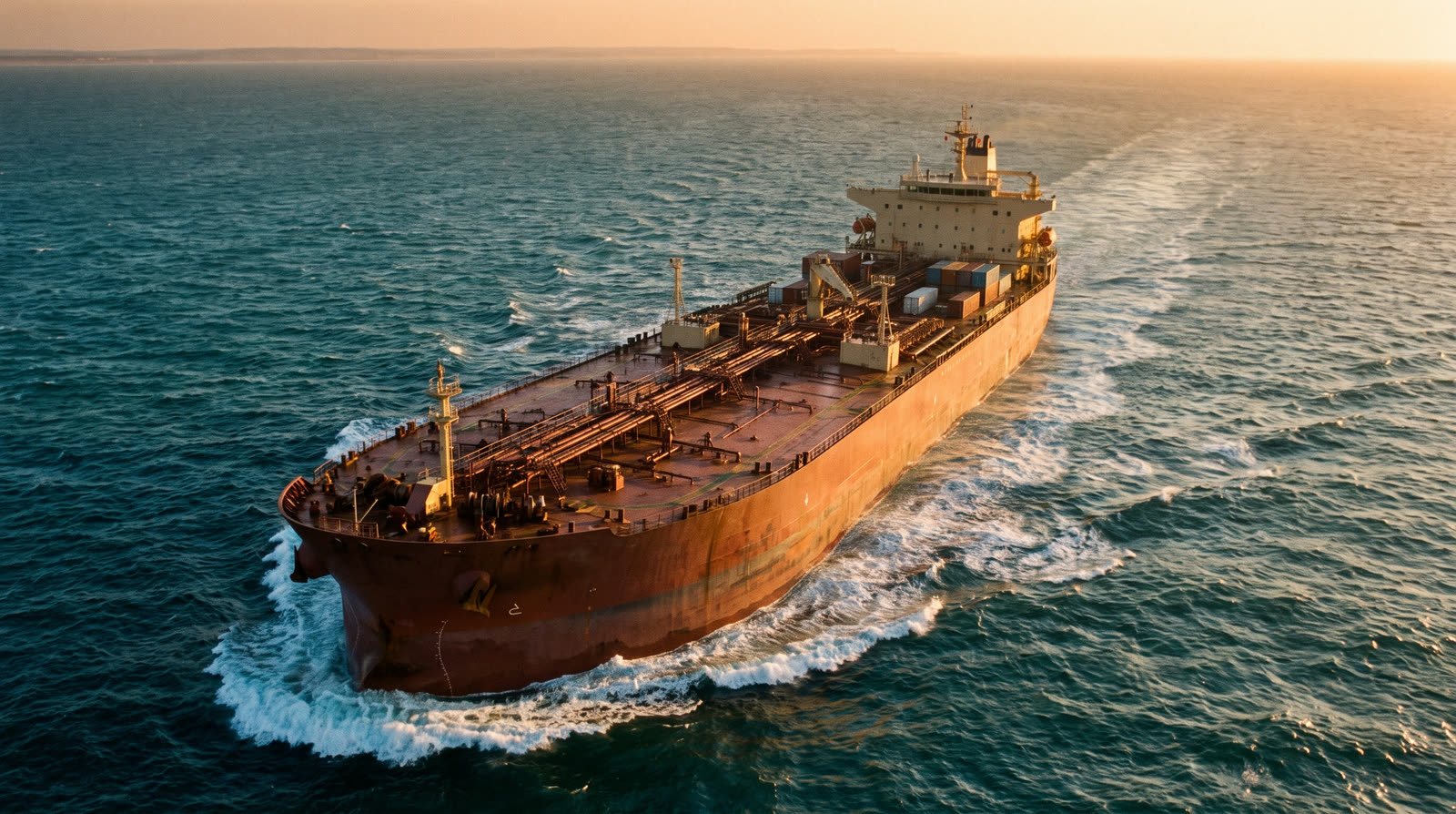
US-Iran strikes resumed for the first time in about a month, reigniting concerns that oil shipments through the region could be disrupted. The world's largest tanker operator said publicly that it now expects disruption at the Strait of Hormuz to last longer than previously thought, with no return to normal by the end of the year.
That last part is what moved the price. Traders can handle a bad week. What they cannot easily price is an open-ended problem.
Why one shipping lane matters this much
The Strait of Hormuz is a narrow channel connecting the Persian Gulf to the open ocean. At its tightest, the shipping lanes are only a couple of miles wide. A very large share of the world's seaborne oil passes through it, along with a big chunk of global liquefied natural gas.
There is no easy way around it. Some pipelines can bypass the strait, but their combined capacity is a fraction of what normally sails through. If tankers cannot pass safely, that oil does not simply take a different route. It does not arrive.
This is why the market attaches what is called a risk premium to oil whenever tensions rise there. That premium is not a forecast that supply will actually be cut off. It is the price of insuring against the possibility.
The supply picture is not all bad
It is worth being balanced here, because the headlines rarely are.
Crude supplies have still been reaching the market. Iraq's oil exports actually rose in August and are expected to increase further in September. So the physical shortage feared in the worst-case scenario has not arrived.
Against that, damaged refineries in both the Middle East and Russia mean there is less capacity to turn crude into the fuels people actually use. There is not enough spare refining capacity elsewhere to make up the gap. That is why analysts expect fuel prices specifically to stay elevated into next year, even if crude itself settles down.
That distinction matters. Crude oil and the petrol in your car are related but not the same thing, and a refinery bottleneck can keep pump prices high even when the barrel price eases.
The inflation problem this creates
Here is why an oil story is really a central bank story.
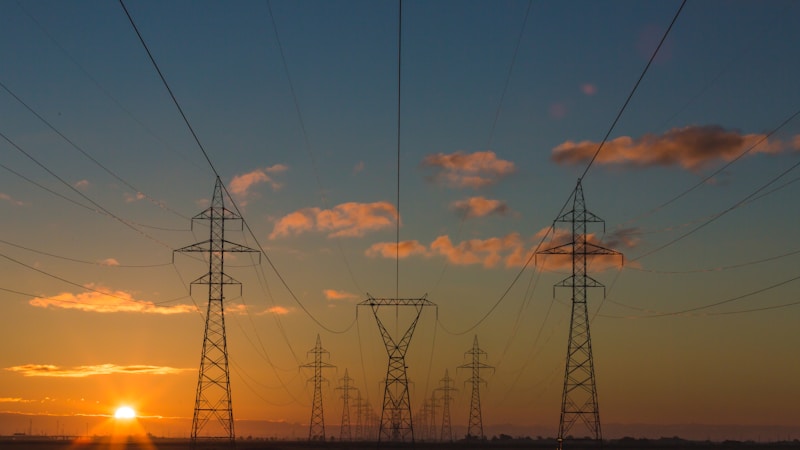
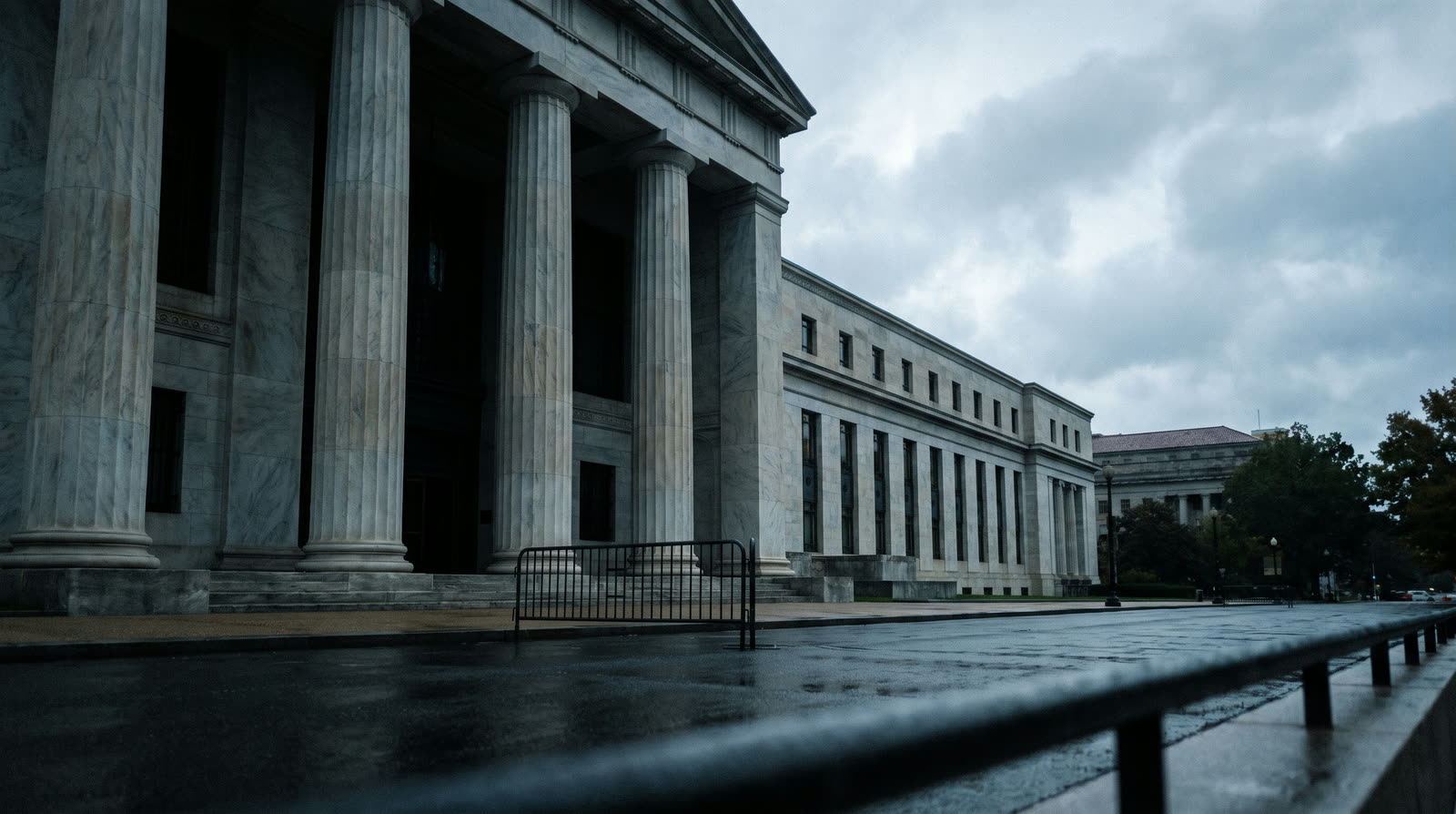
Energy runs through everything. It moves goods, powers factories, heats buildings and is a raw input into plastics and fertiliser. When oil rises sharply, it shows up in the inflation figures within weeks, and it does so right at the moment the Federal Reserve is trying to convince everyone that inflation is heading back to 2%.
The July inflation reading was 3.4% headline against 2.5% core. Core deliberately excludes energy. So an oil spike widens the gap between the two numbers and makes the Fed's job politically harder, even if policymakers technically believe they should look through it.
Bonds noticed. The recent sell-off in Treasuries was driven partly by the surge in oil prices alongside Fed chair Warsh's pledge to tame inflation. Higher oil, higher inflation expectations, higher yields demanded by bond buyers. The chain is direct.
What this means if you trade
A geopolitically driven oil market behaves differently from a normal one, and it pays to adjust.
Gaps become the main risk
The events that move this market - strikes, shipping incidents, official statements - happen at all hours, frequently overnight and at weekends. Oil, and everything correlated to it, can open a long way from where it closed. A stop-loss does not protect you across a gap; it simply becomes a market order at whatever the new price is.
The practical answer is smaller positions held overnight, not tighter stops. Our guide to managing overnight gap risk covers this in detail.
Correlations shift
In a normal market, strong oil can signal a strong economy and shares take it fine. In a supply-shock market, rising oil is a tax on growth and a push on inflation, so shares and bonds can fall together while energy stocks rise. Relationships you rely on quietly stop working.
Ranges expand
The average daily move gets bigger. If your position sizing is based on typical volatility, and volatility has doubled, then your risk has effectively doubled too without you changing anything. This is one of the most common ways traders get hurt in a fast market - not by being wrong, but by being the same size in a market that is no longer the same.
What to watch from here
- Tanker insurance rates and shipping traffic through the strait. These react before the oil price does and are a cleaner read on actual risk than headlines.
- Whether Iraqi and other regional exports keep rising. Growing supply from elsewhere is what deflates a risk premium.
- Refinery outages. Fuel prices can stay high on refining problems even if crude falls.
- The next inflation report on 11 September. This will show how much of the energy move has already fed through.
The wider lesson
It is easy to look at a market moving on Middle East headlines and conclude it is unpredictable chaos. It is not quite that. What is happening is a market pricing a probability, and adjusting that probability every time new information arrives.
You do not need to know whether the strait stays open. Almost nobody does. What you need to know is that while that question is unresolved, the oil market carries a premium that can drain away quickly if tensions ease, or expand violently if they do not.
Positions sized for a calm market do not survive that. Positions sized for the market you actually have usually do.
From a barrel to your bills
It is worth tracing how a price move at sea reaches an ordinary household, because the delay explains a lot about why central banks react the way they do.
Crude oil is not usable as it comes out of the ground. It goes to a refinery, which separates it into petrol, diesel, jet fuel, heating oil and the feedstocks used to make plastics and fertiliser. Each of those has its own market and its own supply constraints.
A rise in crude typically reaches petrol pumps within two to six weeks, depending on local competition and how much stock retailers hold. It reaches airline ticket prices more slowly, because carriers hedge their fuel costs months ahead. It reaches food prices slower still, through the cost of fertiliser, farm machinery and distribution - often two or three quarters later.
This staggered arrival is why an oil spike that fades quickly can still leave a trail through the inflation figures for the best part of a year. It is also why policymakers argue about whether to respond. By the time the full effect shows up, the original cause may have long since disappeared.
Who wins and who loses
An oil shock is not uniformly bad. It is a large transfer of money from consumers of energy to producers of it, and the market reflects that split.
Winners. Oil and gas producers, oilfield services companies, tanker operators, and energy-exporting economies. Shipping firms in particular can do well twice over, once from higher freight rates and once from the longer routes forced by any disruption.
Losers. Airlines, road haulage, chemicals manufacturers, and any business with thin margins and high transport costs. Consumers with long commutes and no alternative. Energy-importing countries, whose trade balance deteriorates immediately.
The stock market as a whole usually falls on a supply-driven oil spike, because there are more energy consumers than energy producers in a typical index. But the internal rotation can be violent, with energy shares rising sharply on a day when the broad index is down.
That rotation is worth knowing about if you trade individual sectors, because a market that looks quiet at the index level can be extremely busy underneath.
How risk premiums usually resolve
History offers a reasonably consistent pattern for geopolitical oil premiums, though it comes with the usual warning that past patterns guarantee nothing.
The premium builds quickly, often over days, as traders price the possibility of disruption. It then persists while the situation is unresolved. If actual supply is never interrupted, the premium tends to drain away slowly - much more slowly than it appeared - as attention moves elsewhere and traders holding long positions gradually give up waiting.
The asymmetry matters. Building a premium is fast and violent; unwinding it is slow and grinding. That means the profitable trade in the immediate aftermath of an escalation is rarely available to anyone reacting to a headline, while the slow bleed afterwards catches out those who bought the fear late.
The scenario that breaks the pattern is an actual, sustained interruption to supply. That is rare, and it is precisely why the market never prices it fully - the probability is low, but the consequence is severe enough that ignoring it entirely would be reckless.
The current situation contains an unusual detail worth watching: the expectation, stated publicly by the largest tanker operator, that disruption persists with no normalisation by year end. That is not a prediction of interrupted supply. It is a prediction that the uncertainty itself lasts, which tends to keep a premium in place for longer than usual.
This article is general information, not financial advice. Do your own research or speak to a licensed professional before making money decisions.
General information, not advice. This article is published to everyone who reads it and takes no account of your circumstances, so it is not a personal recommendation. Trader Suite is not authorised or regulated by the FCA. Trading and investing involve a substantial risk of loss, and you should seek independent advice before acting. Our articles are researched and drafted with AI assistance and reviewed before publishing. Full risk disclosure.
TraderSuite Team
TraderSuite builds indicators and automated strategies for NinjaTrader 8. Our articles are written by the team, researched and drafted with AI assistance, and reviewed before publishing.