There is something slightly odd about the US stock market in 2026. Inflation has been above target for five years. Interest rates are high and might go higher. Oil has spiked on Middle East tension. Tariffs have raised costs across a range of goods.
And yet the S&P 500 is up around 7.7% so far this year and on track for its fourth straight annual gain.
The explanation is largely one thing: an extraordinary wave of capital spending on artificial intelligence infrastructure. It has been big enough to overshadow almost every other concern.
What "capex" means and why it matters
Capital expenditure, usually shortened to capex, is money a business spends on long-lived physical assets - buildings, machinery, equipment. It is different from day-to-day running costs because the thing you buy keeps producing value for years.
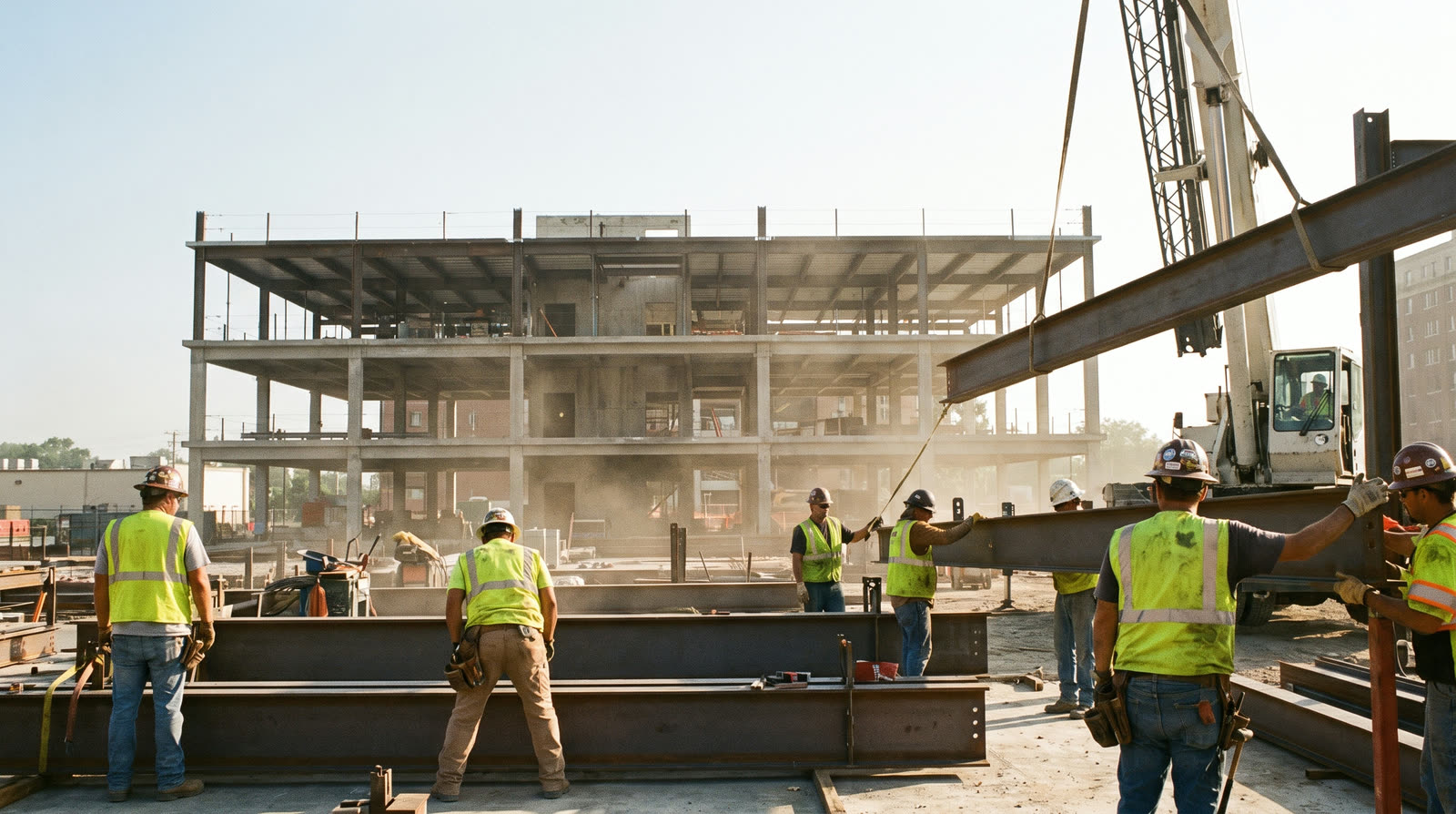
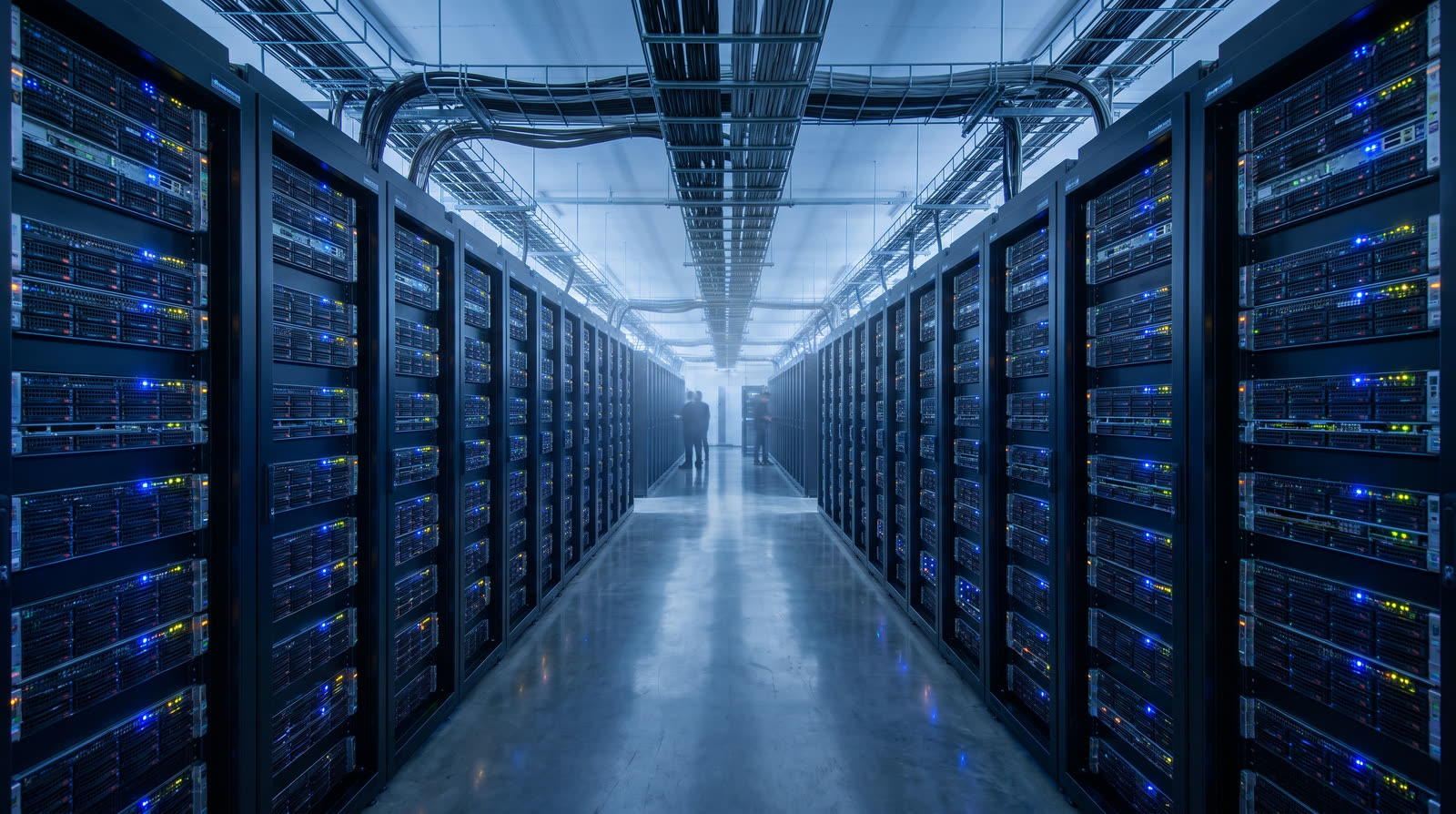
The AI boom is a capex boom in the most literal sense. Companies are building enormous data centres, filling them with specialised chips, and securing the electricity to run them. This is construction, steel, concrete, copper, power generation and semiconductors, not just software.
That is why it has such a broad effect. Software spending mainly benefits software companies. Building physical infrastructure spreads money across construction, utilities, industrial equipment, logistics and chip manufacturing.
Why it has overpowered the bad news
Normally, the conditions described at the top of this article would weigh heavily on shares. Higher interest rates reduce the present value of future profits, and that hits growth companies hardest.
The AI spending wave has cut through that for two reasons.
The spending is happening now, not later. A concern about high rates is essentially a concern about profits that arrive in the distant future being discounted heavily. But chip makers and equipment suppliers are booking this revenue in the current quarter. Near-term earnings are far less sensitive to interest rates than far-off ones.
The buyers are unusually well funded. The largest technology companies driving this spending generate very large amounts of cash and are not especially dependent on borrowing. When your expansion is funded from your own profits, the cost of debt matters much less. This is precisely the type of company that can keep investing through a period of high rates.
The concentration problem
Here is the part investors should think about carefully.
When one theme drives most of an index's gains, the index becomes less diversified than it appears. You may own a fund holding 500 companies and still find that your return depends heavily on the capital spending plans of a handful of them.
This creates a specific kind of risk. It is not that AI is a bad idea or that the technology will not work. It is that the market has priced in a certain pace of spending, and pace is a fragile thing.
The spending does not need to stop for the shares to fall. It only needs to grow more slowly than expected. A company saying "we will spend a lot next year, but less than we said in the spring" is enough to reprice an entire sector, because the valuation was built on the higher number.
What could interrupt it
Several things are worth watching.
- Power. Data centres consume enormous amounts of electricity, and grid connections are becoming a genuine constraint in some regions. You cannot run a facility you cannot power.
- Returns. At some point, the companies spending this money need to show it produces profit. Investors have been patient. Patience is not permanent.
- Rates. Not every participant is a cash-rich giant. Smaller operators and specialist data centre developers borrow to build, and with the ten-year Treasury near 4.78%, that borrowing is expensive.
- Supply catching up. Shortages create pricing power. When capacity arrives, prices normalise and margins compress.
What it means for traders
For anyone trading US index futures, particularly the Nasdaq, the practical consequences are significant.
The index has become a proxy for one theme. Nasdaq futures often move on news from a small number of companies rather than on broad economic data. An earnings report or a capital spending announcement from a single large firm can move the whole index.
Volatility clusters around specific events. Earnings dates and industry conferences now matter as much as some economic releases.
Correlations tighten in a sell-off. When the theme wobbles, everything connected to it falls together, and the diversification you thought you had disappears exactly when you need it.
We cover the practical side of this in trading Nasdaq futures when a few names drive the index.
Is it a bubble?
This question comes up constantly and deserves a straight answer: nobody knows, and anyone who tells you they do is guessing.
What can be said fairly is that this boom has an unusual feature compared with the classic dot-com comparison. The spending is real, the revenue is real, and the companies doing most of the buying are highly profitable. That is materially different from an era of businesses with no earnings funded by enthusiasm.
What is similar is the certainty. Every large boom is accompanied by a widely shared belief that the trend is obvious and durable. Sometimes that belief is right. It is rarely right about the timing.
The sensible position
You do not have to decide whether this is the beginning of a genuine industrial transformation or the late stage of an expensive enthusiasm. Both views can justify very different portfolios, and neither can be proven today.
What you can do is be honest about your exposure. If you hold a broad US index fund, you own this theme whether you intended to or not. If you trade index futures, you are trading it every day.
Knowing that is most of the work. The market is up 7.7% this year on the back of one very large story, at a time when almost every other headline has been unfriendly. That is worth understanding clearly, whichever way you think it ends.
Following the money down the chain
One useful exercise is to trace where the spending actually lands, because the beneficiaries extend well beyond the obvious names.
Chip designers and manufacturers sit at the top and capture the most attention. Below them sit the companies that make the machines used to produce those chips, a small and highly specialised group with very few competitors.
Memory and networking matter more than people assume. A data centre full of processors is useless without the memory to feed them and the networking to connect them. These segments have historically been cyclical and commoditised, which makes their current position unusual.
Power is the constraint everyone underestimated. Utilities, turbine manufacturers, transformer makers and grid equipment suppliers have found themselves with order books they did not expect. This is a genuinely old-economy sector benefiting from a new-economy boom.
Construction and cooling come next. These are large industrial buildings with extraordinary heat output, requiring specialist mechanical and electrical work.
Real estate and land near suitable power connections has been repriced substantially.
Understanding this chain helps in two ways. It shows how the theme touches a wider part of the index than the headline names suggest, and it gives you a set of places to look for early evidence when the pace changes.
How you would know it was slowing
Since the risk is a change in pace rather than a stop, it is worth knowing which signals arrive first.
- Capital spending guidance. The large buyers publish their planned spending. A downgrade, or even a smaller upgrade than expected, is the clearest single signal.
- Order backlogs at equipment suppliers. These businesses sit further up the chain and typically see softness before the headline names report it.
- Lead times. When shortages ease and delivery times shorten, pricing power fades soon after.
- Second-hand pricing. A market developing in used equipment suggests capacity has caught up with demand.
- Financing conditions. Smaller developers borrowing at yields anchored near 4.78% are the marginal buyers, and they drop out first.
What previous build-outs teach
Large infrastructure build-outs have a recognisable shape, and history rhymes even when it does not repeat.
Railways, electrification, telecommunications and fibre all followed a similar arc. A genuine technological breakthrough creates real demand. Capital floods in. Capacity gets built faster than it can be used. There is a painful adjustment in which many investors lose money. And then, crucially, the infrastructure remains and gets used productively for decades by companies that bought it cheaply from the wreckage.
The pattern suggests two things simultaneously that people find hard to hold together: the technology can be genuinely transformative and the investment cycle can still be painful for those who arrive late at high prices.
The fibre build-out is the closest comparison. The demand forecasts made at the time turned out to be roughly right about the long run and wildly wrong about the timing. Companies that borrowed heavily to build ahead of demand did not survive to see their forecasts vindicated.
The relevant difference today is balance sheets. The dominant buyers in this cycle are funding expansion largely from operating cash flow rather than debt. That does not prevent a valuation correction, but it makes the kind of forced, cascading failure seen in previous cycles considerably less likely.
This article is general information, not financial advice. Do your own research or speak to a licensed professional before making money decisions.
General information, not advice. This article is published to everyone who reads it and takes no account of your circumstances, so it is not a personal recommendation. Trader Suite is not authorised or regulated by the FCA. Trading and investing involve a substantial risk of loss, and you should seek independent advice before acting. Our articles are researched and drafted with AI assistance and reviewed before publishing. Full risk disclosure.
TraderSuite Team
TraderSuite builds indicators and automated strategies for NinjaTrader 8. Our articles are written by the team, researched and drafted with AI assistance, and reviewed before publishing.