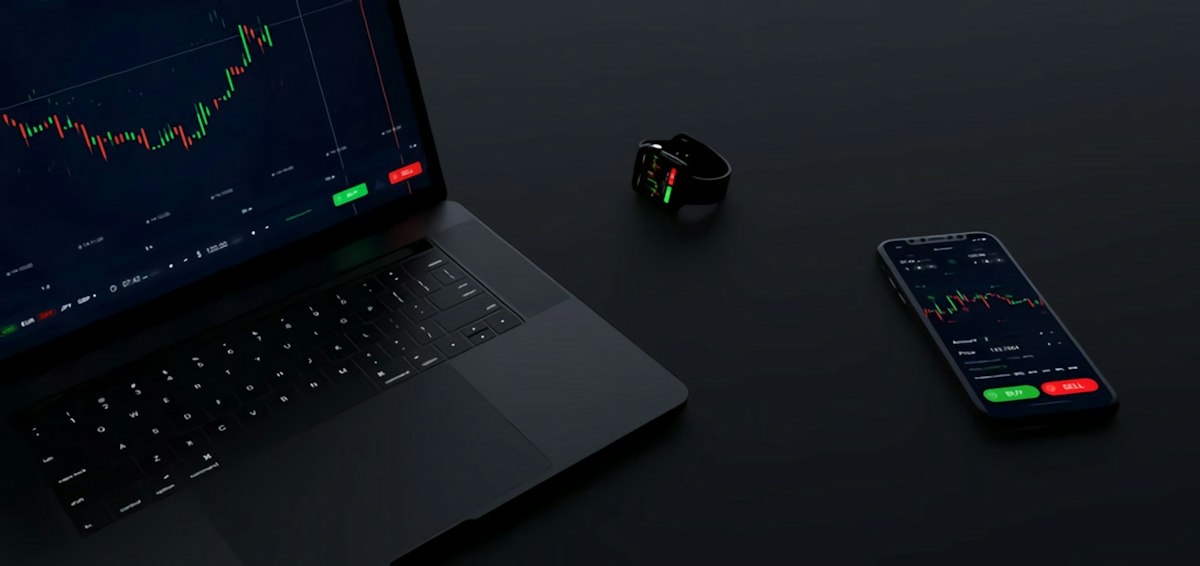
Candlestick charts are the most popular way to visualize price action, and for good reason. Developed by Japanese rice traders centuries ago, candlestick patterns provide insights into market psychology that simple line charts cannot match.
Single Candlestick Patterns
The Doji occurs when open and close are virtually the same, creating a cross or plus sign. This represents indecision and often signals potential reversals. Hammer and Hanging Man patterns have small bodies and long lower wicks.
Two-Candlestick Patterns
Engulfing patterns are powerful reversal signals. A Bullish Engulfing after a downtrend shows a large green candle engulfing a small red candle, signaling potential reversal.
Context Is Everything
Patterns don't exist in isolation. Consider trend context, support/resistance levels, volume from volume profile analysis, and timeframe when analyzing candlestick patterns.
Combining with Other Tools
Candlestick patterns work best when combined with other analysis methods like Fibonacci levels and moving averages. Our Trend Master Indicator can help identify trend context automatically.
General information, not advice. This article is published to everyone who reads it and takes no account of your circumstances, so it is not a personal recommendation. Trader Suite is not authorised or regulated by the FCA. Trading and investing involve a substantial risk of loss, and you should seek independent advice before acting. Our articles are researched and drafted with AI assistance and reviewed before publishing. Full risk disclosure.
TraderSuite Team
TraderSuite builds indicators and automated strategies for NinjaTrader 8. Our articles are written by the team, researched and drafted with AI assistance, and reviewed before publishing.


